
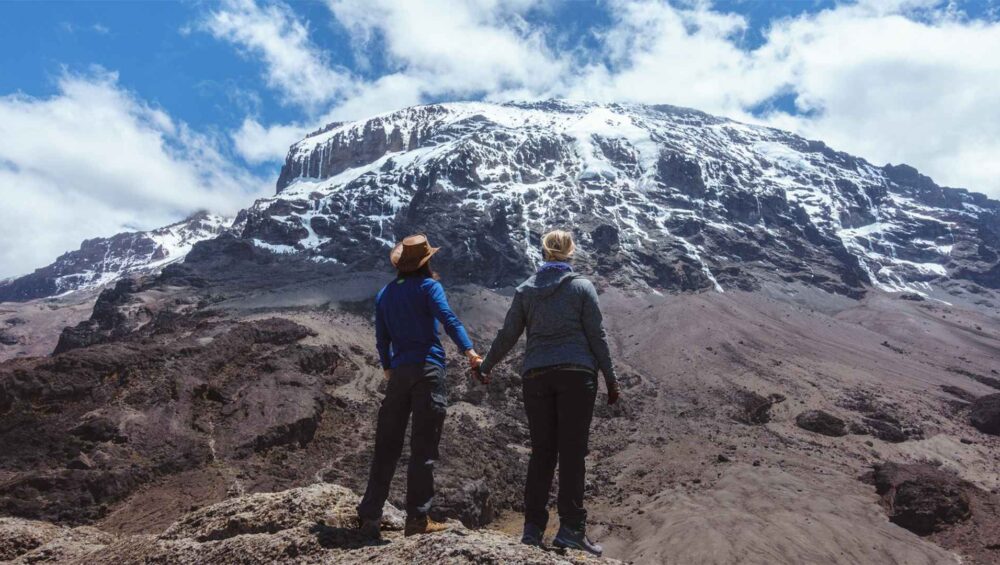
Ascending Mount Kilimanjaro, Africa’s tallest peak, is a feat that combines stunning adventure with demanding physical and mental challenges. Kilimanjaro, at 5,895 meters (19,341 feet) above sea level, presents a unique challenge due to its various ecosystems, changeable weather, and high altitude. To ascend this spectacular peak, meticulous planning is required. This book will go into detail about the actions you must take to ensure you are physically and mentally prepared for the climb.
Physical Preparation
1. Elevate Your Cardiovascular Endurance
To tackle Kilimanjaro’s grueling ascent, it’s crucial to develop exceptional cardiovascular fitness. Aim for at least 30 to 45 minutes of high-intensity cardiovascular exercise, such as running, cycling, or swimming, 4-5 times a week. Gradually increase the intensity and duration of your workouts. Include hill runs or stair climbing sessions to simulate the mountain’s steep inclines and to build the endurance required for prolonged physical exertion.
2. Build Robust Leg and Core Strength
Kilimanjaro’s ascent demands powerful legs and a stable core. Incorporate targeted exercises like squats, lunges, step-ups, and calf raises to enhance your lower body strength. These exercises will help you handle the uphill climbs and the descent. Complement your leg training with core-strengthening routines including planks, Russian twists, and leg raises to improve overall balance and stability.
3. Prepare for Altitude with Specialized Training
Acclimatization is a critical aspect of preparing for Kilimanjaro. If possible, train at higher altitudes to adjust your body to lower oxygen levels. Alternatively, altitude masks or simulators can help. During the climb, ascend slowly to give your body time to adapt, reducing the risk of altitude sickness. Gradual acclimatization is key to a successful summit.
4. Endurance Hiking and Backpack Training
Engage in long hikes and multi-day treks to build the endurance necessary for Kilimanjaro. Train on varied terrains to mimic the mountain’s conditions. Practice hiking with a loaded backpack to adapt your body to carrying weight, which will be crucial for maintaining efficiency and endurance during the climb.
5. Adapt to Kilimanjaro’s Climatic Conditions
Kilimanjaro’s weather ranges from tropical at the base to arctic conditions at the summit. Train in diverse weather conditions to prepare for the temperature variations and potential adverse weather. Familiarize yourself with layering techniques and weather-specific gear to stay comfortable and safe throughout your climb.
Mental Preparation
1. Set Clear Goals and Manage Expectations
Climbing Kilimanjaro is an arduous journey requiring both physical strength and mental resolve. Set clear, achievable goals and manage your expectations realistically. Understand the challenges you’ll face and prepare yourself to tackle them with determination and flexibility.
2. Develop Mental Toughness
Cultivate mental resilience to handle the climb’s psychological demands. Practice visualization techniques by imagining yourself reaching the summit and overcoming obstacles. This mental rehearsal can bolster your confidence and determination. Additionally, incorporate stress management practices such as meditation, deep breathing, and mindfulness to maintain focus and calm during the climb.
3. Prepare for High-Altitude Effects
Educate yourself about altitude sickness and its symptoms, including headaches, nausea, and dizziness. Knowing how to recognize and address these symptoms will help you manage your health effectively. Stay hydrated, eat nutritious food, and rest as needed to mitigate the effects of high altitude.
4. Train with Purpose and Simulation
Simulate climbing conditions by training with the gear and clothing you’ll use on Kilimanjaro. Wear your trekking boots, use trekking poles, and carry a weighted backpack to familiarize yourself with the equipment. If possible, train with a group to mirror the team dynamics you’ll experience on the mountain, fostering camaraderie and support.
5. Plan for Post-Climb Recovery
Recovery is as important as preparation. After the climb, prioritize rest, nutrition, and hydration to help your body recuperate. Recognize and celebrate your achievements to maintain a positive mindset and reflect on the journey. Effective recovery ensures you’re prepared for future adventures and helps you appreciate the magnitude of your accomplishment.
Conclusion
Conquering Mount Kilimanjaro is a remarkable achievement that requires meticulous preparation. By enhancing your cardiovascular endurance, building strength, acclimatizing to high altitude, and adapting to various climatic conditions, you prepare yourself for the physical challenges of the climb. Equally important is developing mental resilience, understanding the climb’s demands, and preparing for altitude effects. With comprehensive preparation, you will be equipped to tackle Kilimanjaro’s challenges and achieve the summit, fulfilling one of the most extraordinary adventures on earth.


